Why enterprise AI agents die after the pilot - and the operating patterns that survive
Most AI agent pilots do not fail because the demo was weak. They fail because the enterprise never designed the path from prototype to owned production system.

Field notes on enterprise AI agents — why pilots stall, what production-grade governance looks like, and the operating patterns that survive. No hype, no hot takes: just what we're seeing in the work.
Updated August 2026
We publish what we learn. If you lead operations, technology, or risk and you're trying to get AI agents past the pilot stage, this is written for you.
 Field note
Most AI agent pilots do not fail because the demo was weak. They fail because the enterprise never designed the path from prototype to owned production system.
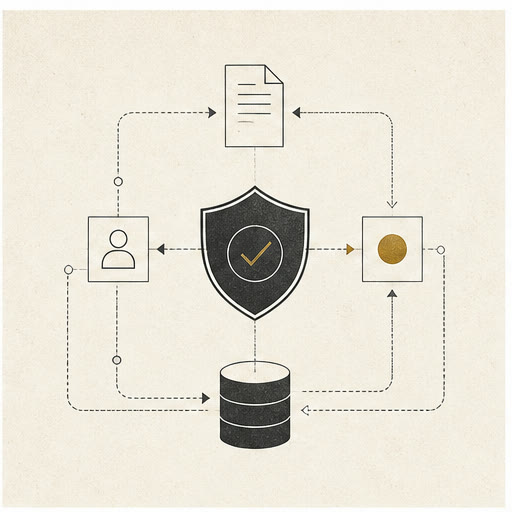 Governance
AI agent governance does not work when it lives only in a policy deck. It works when permissions, evaluation, audit, escalation, and ownership are designed into the workflow itself.
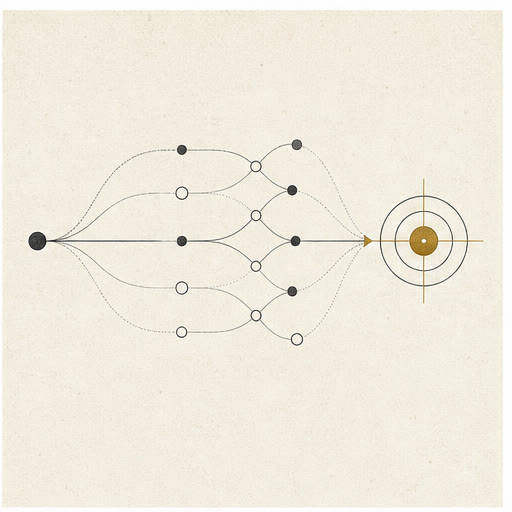 Strategy
The first question is not what an agent can do. It is what decision, workflow, or operating constraint should change if the agent succeeds.
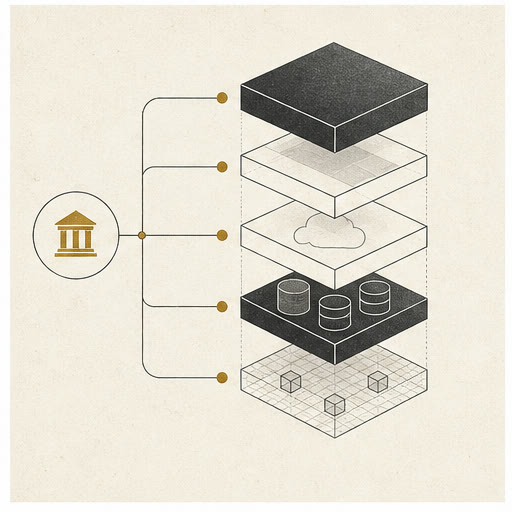 Ownership
Ownership is not just IP language. It is how enterprise teams reduce operational risk, preserve strategic leverage, and capture the value created by agent systems over time.
 Operations
Most enterprise agent failures start with a category error. Classify the agent by operating purpose, risk, integration depth, data needs, and governance burden before committing budget.
 Method
Enterprise agents should not be measured by how much they produce. They should be measured by whether they improve the decision, workflow, risk position, and operating rhythm they were built to serve.